
 Warnings
 Construction
 Weather
 Contact
 Search
Gorišnica
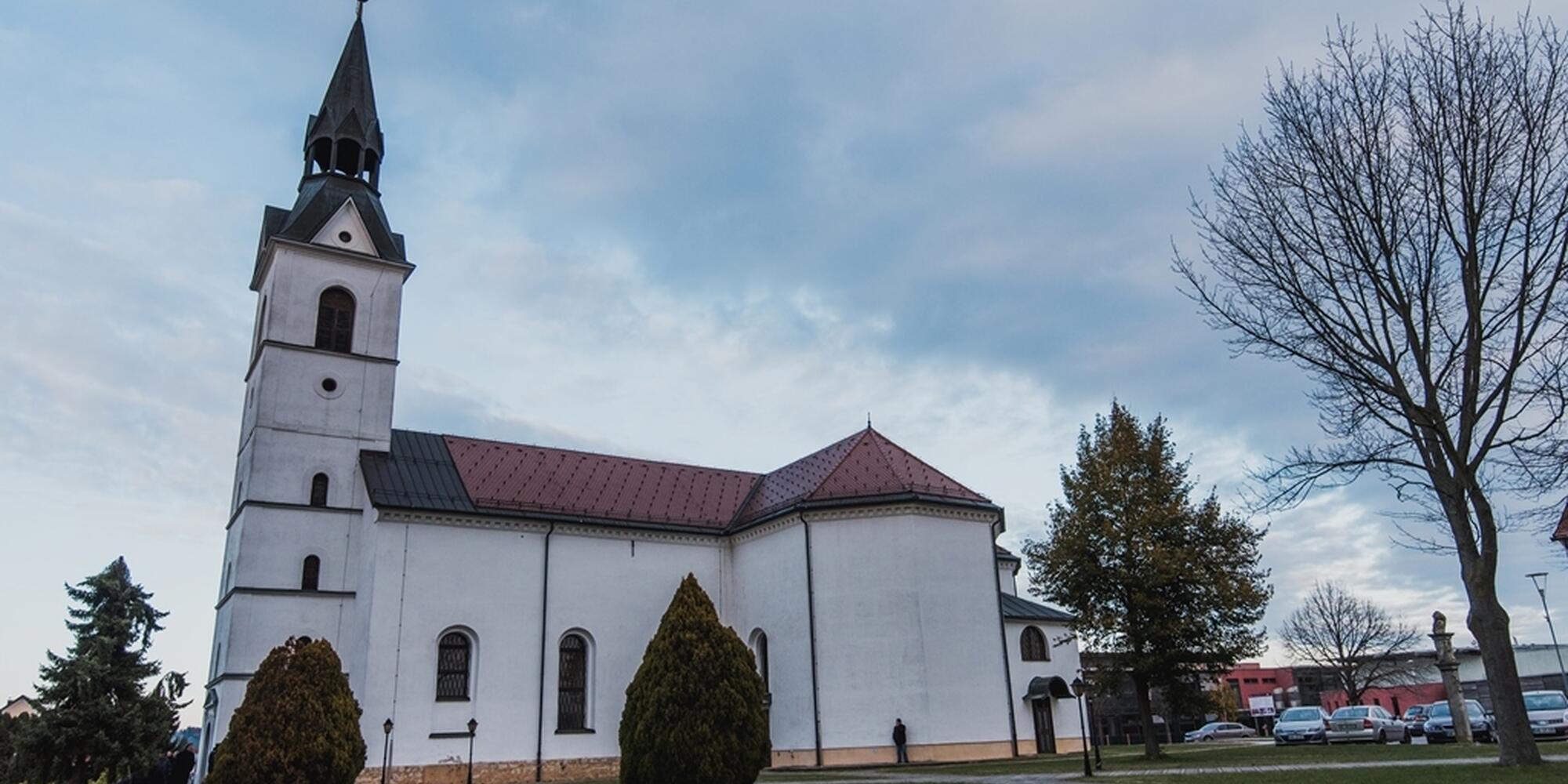
Gorišnica lies in the centre of the Ptuj Field, on both sides of the channel for the Hydroelectric Power Plant Formin, in the flood area of the Pesnica River. Agricultural land with fields and meadows is predominant on the fertile flatland between towns, with smaller forest islands between them. Towards the foothills and on southern edges of Slovenian Hills, the noble vine thrives. The current centre is formed around the parish church of Saint Margaret from the 14th century, which was renovated in the Romanesque revival style in the 19th century.
Cultural heritage
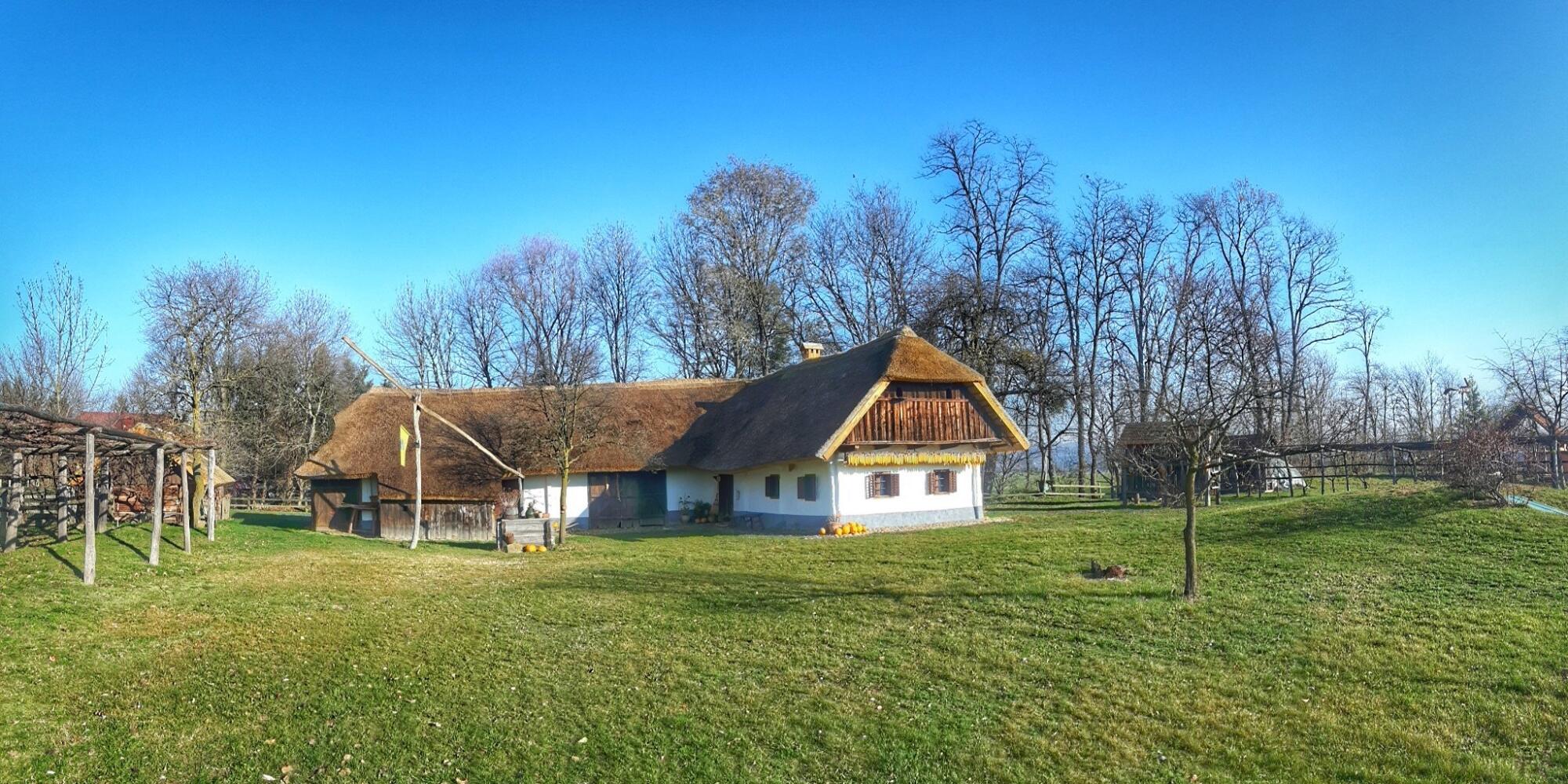
Dominik's homestead
The municipality of Gorišnica boasts a beautiful farmhouse - the Dominik's homestead. According to the experts of the Institute for the Protection of Cultural Heritage of Slovenia, it is considered to be the oldest fully-preserved house built in the Pannonian style. It is over three hundred years old. Architecturally, it is one of the typical Pannonian houses, built so that the living and farming part are connected in the shape of the letter L. The building is ‘cimpran’ - built of wooden logs, surrounded by loamy plaster and whitewashed with lime. Small windows with shutters are protected by iron crosses. The tufted gable roof is covered with straw. Inside there are a wonderful "black kitchen", a house, a pantry, a depository, a hall, and a farming part includes a barn, a stable, a cellar, a handy workshop, bedding, and a grain cellar. Everything is equipped with the original equipment, such as was left behind by the last resident. All this reflects the former way of life.
Sokov’s Mill - Corner Mill (Formin)
The construction of the water mill dates to 1775. The mill was rebuilt in 1874 and abandoned in 1946, under the name "Corner mill" in Formin. The mill is still standing; however, it is in a very bad condition and in need of restoration.
Hem Chapel (Formin)
It was built by Vilhem and Neža Golob around 1909. The chapel is dedicated to the Lurška Mary.
Švejčova Chapel (Formin)
It was built in 1914 by Alojz and Rozalija Kovačec, as a thank you for the recovery of the wife, Rozalija. It is dedicated to Mary the Immaculate.
The village chapel
The village chapel with an old firehouse was set up by the villagers and members of the Formin Firefighter Company in 1937. The chapel is dedicated to the Heart of Jesus.
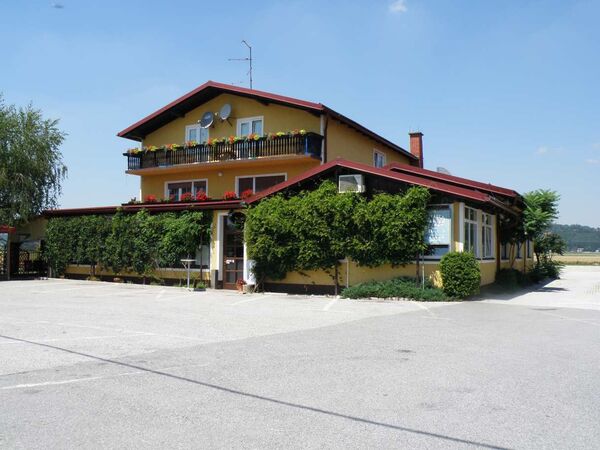
Services nearby (10km)




To spletno mesto uporablja piškotke, ki izboljšajo vašo izkušnjo. Kaj so piškotki?
Nastavitve piškotkov
To spletno mesto uporablja piškotke, ki izboljšajo vašo izkušnjo. Kaj so piškotki?
Zahtevani piškotki
Ti piškotki so nujni za delovanje naše spletne strani in jih ni mogoče izključiti.
Oglaševalski piškotki
Te piškotke lahko na našo stran postavijo oglaševalski partnerji in s pomočjo njih prikažejo relevantne oglase.
Analitični piškotki
Omogočajo anonimizirano zbiranje podatkov o obisku spletne strani. Nastavi jih lahko tretja oseba, katere storitve uporabljamo.