
 Warnings
 Construction
 Weather
 Contact
 Search
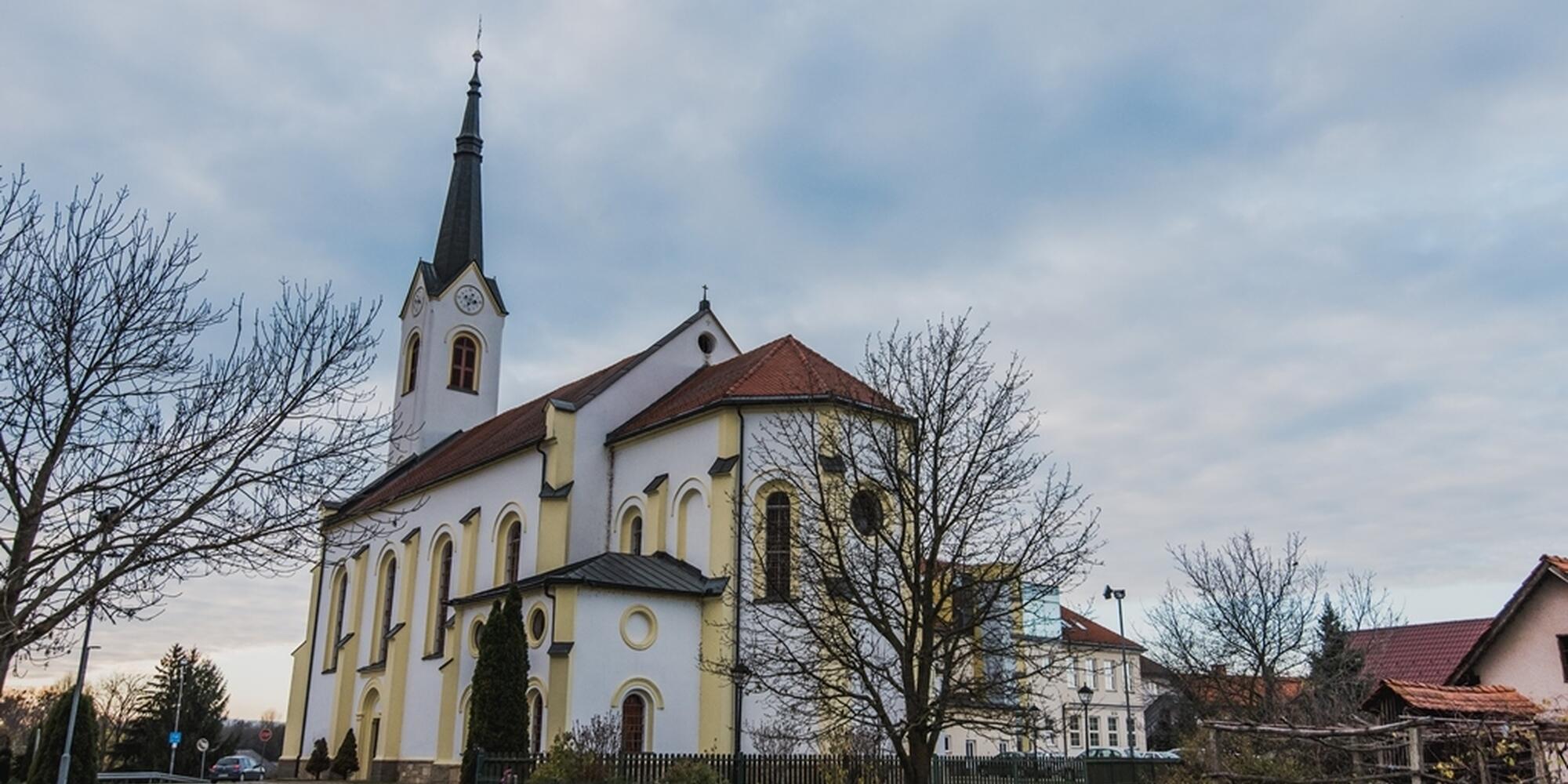
Markovci
Even though the town of
Markovci is first mentioned as late as AD 1215, the discovered remains of a
Roman plumbing system and tools, as well as the important archaeological sites
of Roman military graves, tell a story of human presence on the fertile soil of
Markovci in ancient times. In the past, this territory belonged to Dornau
nobility. Church chronicles mention the Pabstein Castle in the location of the
current church in the 14th century. In 1477, a stone pillar with the
statue of the local patron saint, Saint Mark, was erected before the
presbytery, to protect the town from the changing flow of the Drava River,
which eroded the left bank and threatened the Ptuj Field by washing away the
soil.
The greatest wealth of Markovci have always been the hardworking and
creative people. This area is known for many folklore events and enthusiastic
preservation and revival of forgotten cultural heritage.
Cultural heritage
Masks
- Korant
Korant or kurent is the most popular traditional carnival mask from Ptuj, Dravsko Polje, and Haloze. The Korant is supposed to be a demon that chases away the winter and invites spring into the country. There is still something sublime, powerful and mysterious in it. In times past, only unmarried boys were allowed to wear Korant clothes.
- Devil
Korants are usually accompanied by a devil - "tajfl", who wears black or red trousers, a jacket, and a headgear. The headgear has horns, a pierced nose, and a long red tongue. It is wrapped in a fishing net (which is used for hunting of souls) and carries fork or a trident in its hands.
- Ploughmen
Ploughers are a very popular traditional carnival mask, since with their ploughing and planting in the farm yard they wish for a good harvest. The ploughmen from Markovec are known far and wide and their group consists of other carnival masks such as ‘pojač’, ‘three pairs of horses’, a ‘tiller’, and a ‘picker’.
- ‘Kopjaši’
There are 6 to 8 ‘kopjaši’ involved during the festivities with Korent. These are boys or men dressed in a fine black dress, a white shirt and tie, and black boots. They wear a hat with three-tone silk ribbons, and attach a white-blue-red Slovenian flag over their right shoulder. They have a wooden spear in their hands with many colourful ribbons.
- ‘Kopanja’
In the event that no girl or boy is married, a wooden trough, called ‘kopanja’, is hauled in Markovci. The boys make a special puppet representing a bride - a woman's blouse with sleeves and a head stuffed with straw, they paint a face on its head and put a shawl on. Gloves are also sewn on its sleeves.
- Other carnival masks that accompany Korent: bear, rusa (a four-legged beast), fork , ‘piceki’, ‘kürika’, etc.
Services nearby (10km)










To spletno mesto uporablja piškotke, ki izboljšajo vašo izkušnjo. Kaj so piškotki?
Nastavitve piškotkov
To spletno mesto uporablja piškotke, ki izboljšajo vašo izkušnjo. Kaj so piškotki?
Zahtevani piškotki
Ti piškotki so nujni za delovanje naše spletne strani in jih ni mogoče izključiti.
Oglaševalski piškotki
Te piškotke lahko na našo stran postavijo oglaševalski partnerji in s pomočjo njih prikažejo relevantne oglase.
Analitični piškotki
Omogočajo anonimizirano zbiranje podatkov o obisku spletne strani. Nastavi jih lahko tretja oseba, katere storitve uporabljamo.